Some singers can reach notes that sound almost like a flute — clear, very high, and seemingly effortless. That sound is called whistle voice, the highest register of the human voice.
This article explains what whistle voice is, how it differs from falsetto, and the safety rules to follow when you explore it.
In this article
- What whistle voice is, and how it differs from falsetto
- How it works, and the safety rules before you practise
- How to explore it gently, in three stages
What whistle voice is: the highest register of the human voice
Whistle voice is the highest vocal register, used by singers such as Mariah Carey, Minnie Riperton and Ariana Grande. It sounds like a clear whistle, and it can reach notes far above the ordinary singing range.
Unlike falsetto or head voice, whistle voice is not used for ordinary singing. It is a special register, mostly for expressive high notes and vocal effects.
You may have heard it in a dramatic high note at the end of a song. That bright, piercing sound is often whistle voice — not a scream, but a controlled vibration at the very edge of the vocal cords.
How it works: vibration at the edges of the vocal cords

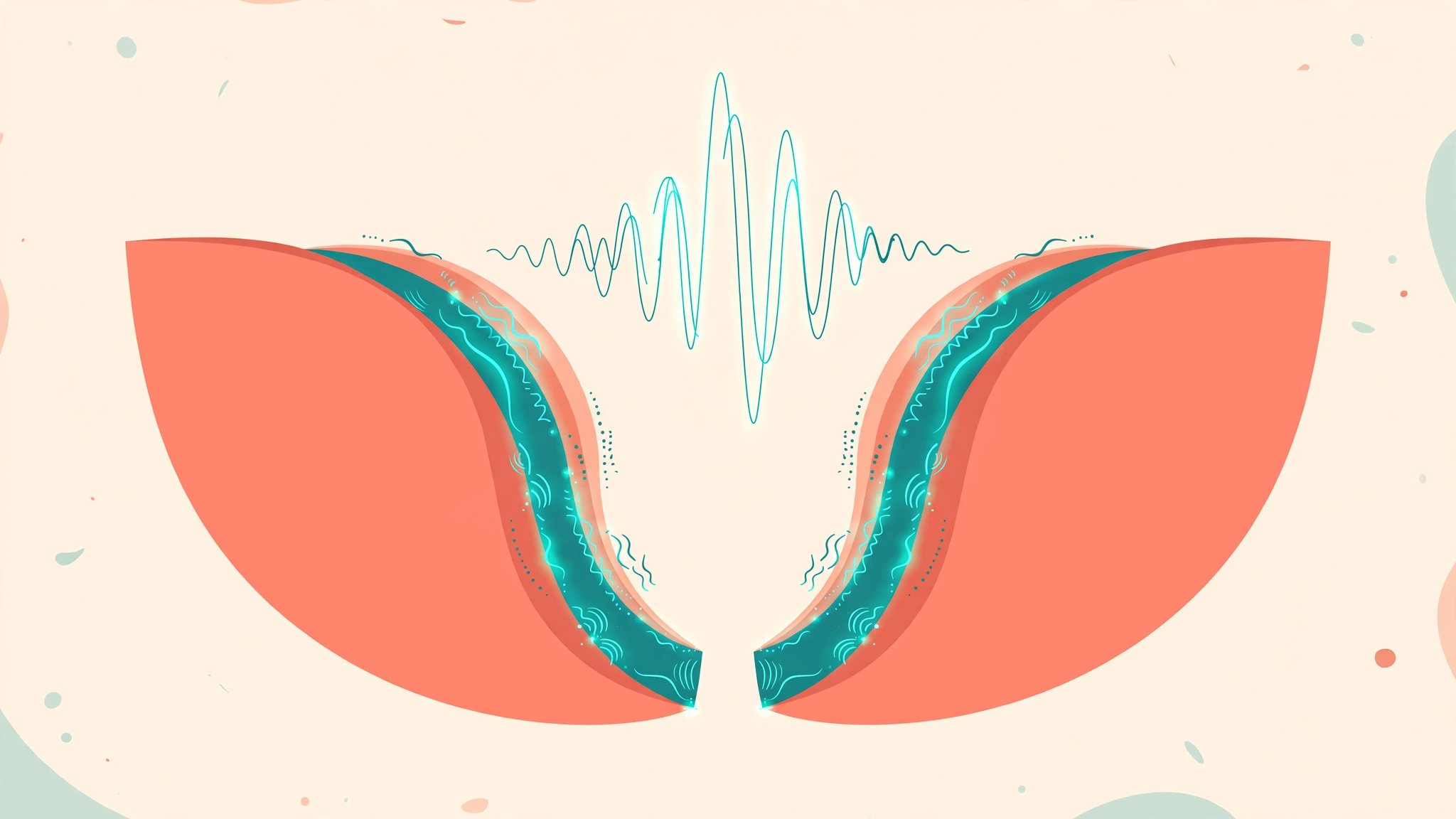
In whistle voice, only the front edges of the vocal cords vibrate. The rest of the cords stay still, and the small vibrating part makes a very high, pure sound.
Think of it like the edge of a flute: a small opening makes a high sound. The smaller the vibrating part, the higher the pitch.
Because so little of the cords is involved, whistle voice is naturally quiet. Singers often need a microphone to make it heard over instruments.
How it differs from falsetto: a different mechanism, not just a higher note
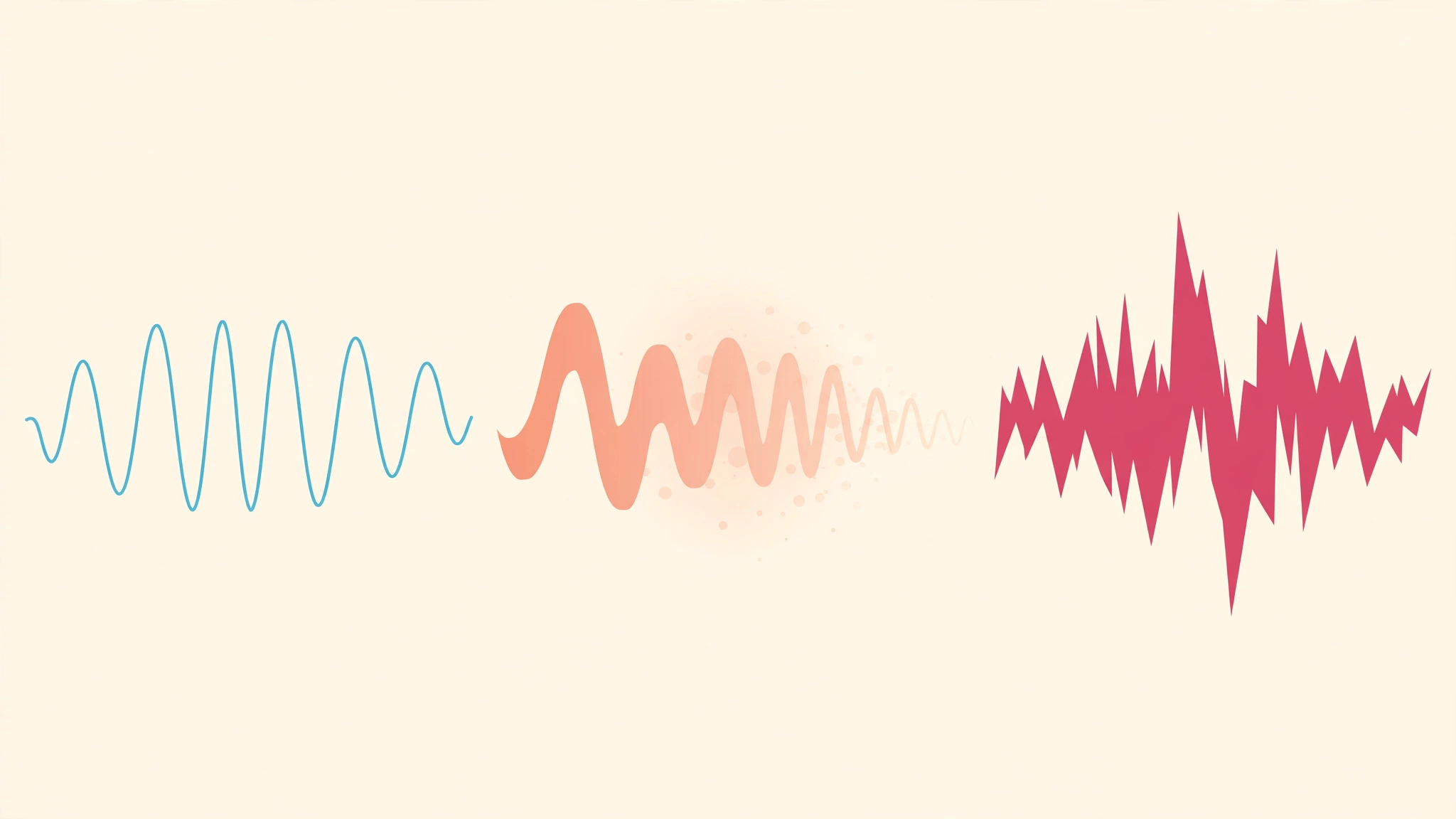
Whistle voice is often confused with falsetto, but they are different. Falsetto uses the full length of the vocal cords with less closure, while whistle voice uses only the edges.
Falsetto can cover a wide range of notes and is used in many songs. Whistle voice covers a much narrower range, usually only the very highest notes.
If you try to push falsetto higher and higher, you will not reach whistle voice. The mechanism has to change. That is why many singers can use falsetto well but have never produced whistle voice.
The safety rules: never force it, and stop at pain

Before you try, know the safety rules. Never force whistle voice. If it feels tight, scratchy or painful, stop and rest your voice.
Keep sessions short — five minutes is enough. Your voice needs rest after this kind of work, so do not practise whistle voice every day at first.
Warm up with gentle humming and light scales first. Cold, tired or sick voices should not attempt whistle voice at all.
Three stages: up to a single note

Exploring whistle voice takes time. Start with gentle sirens: slide slowly from a comfortable high note upward, keeping the sound light and thin. If it cracks or disappears, that is fine — go back down and try again.
Next, try short, soft notes at the top of your range. Do not aim for a big sound. The goal is a clean, small note that feels easy, not loud.
Stage 1: find a light, easy high note. Stage 2: hold it for a second or two without pushing. Stage 3: try a single clear note on a simple word like 'oo'. If any stage hurts or feels forced, stop and rest.
Who it suits — and why it is rarely needed

Whistle voice suits singers who already have a strong high range and want one more colour. For most songs, it is not needed at all.
In R&B and rock, whistle voice is often a signature sound. In other styles, it may sound out of place, so choose the song and the moment carefully.
Even singers famous for whistle voice use it sparingly. A single high note at the right moment is more effective than a whole phrase of it.
Summary

Whistle voice is the highest register of the human voice, made by vibration at the edges of the vocal cords. It is different from falsetto, and it should be explored gently, in short sessions.
If you want to try it, warm up first, keep it light, and stop at any sign of pain. With patience, you may find a new colour in your voice.
Vocal Runs, Explained: A Simple Method for Clean, Fast Melodic Runs
More from Kotona in English

Mystic Kotona — Fortune Readings
Free fortune readings in English, explained without fear-based selling: BaZi (Four Pillars of Destiny), palm reading and aura color. No sign-up, results in your browser.
Try a free reading
Kotona Travel Map — Japan Guides
English guides for traveling Japan: goshuin temple stamps, station stamps and onsen etiquette, with a stamp-collection map of places to visit.
Read the Japan guides
Muse Guide & Books
Get started with Muse, the AI assistant by Meta: how invites and token rewards work, step-by-step setup, and the “Muse for Beginners” Kindle book series.
See the Muse guide
Kotona Global Engineer COMING SOON
Guides for engineers worldwide: building with Dify and AWS, and an insider guide to working in Japan’s engineering industry. In preparation.
Coming soon