You can hear the melody, but when you try to work out the chords by ear, you stall after the first one.
Most people go wrong by trying to hear whole chords at once. This article shows a four-step method that starts from the easiest thing to hear — the bass line — and builds the chord up from there.
Use it on songs you love, and chords you could only guess at will start to fall into place.
In this article
- The whole picture: how the four steps fit together
- Steps 1 to 4: bass, root, major or minor, then compare
- Tools and practice ideas for checking your answers
The whole picture: bass, root, major or minor, then compare

First, the overall approach. This article follows four steps: track the bass line, settle the root, hear major or minor, then compare against common progressions.
The bass is the easiest part to hear. It tells you the root note, which limits the chord candidates. Add major or minor on top, then compare against common progressions. Only at the very end do you think about sevenths or tensions.
Step 1: Track the bass line
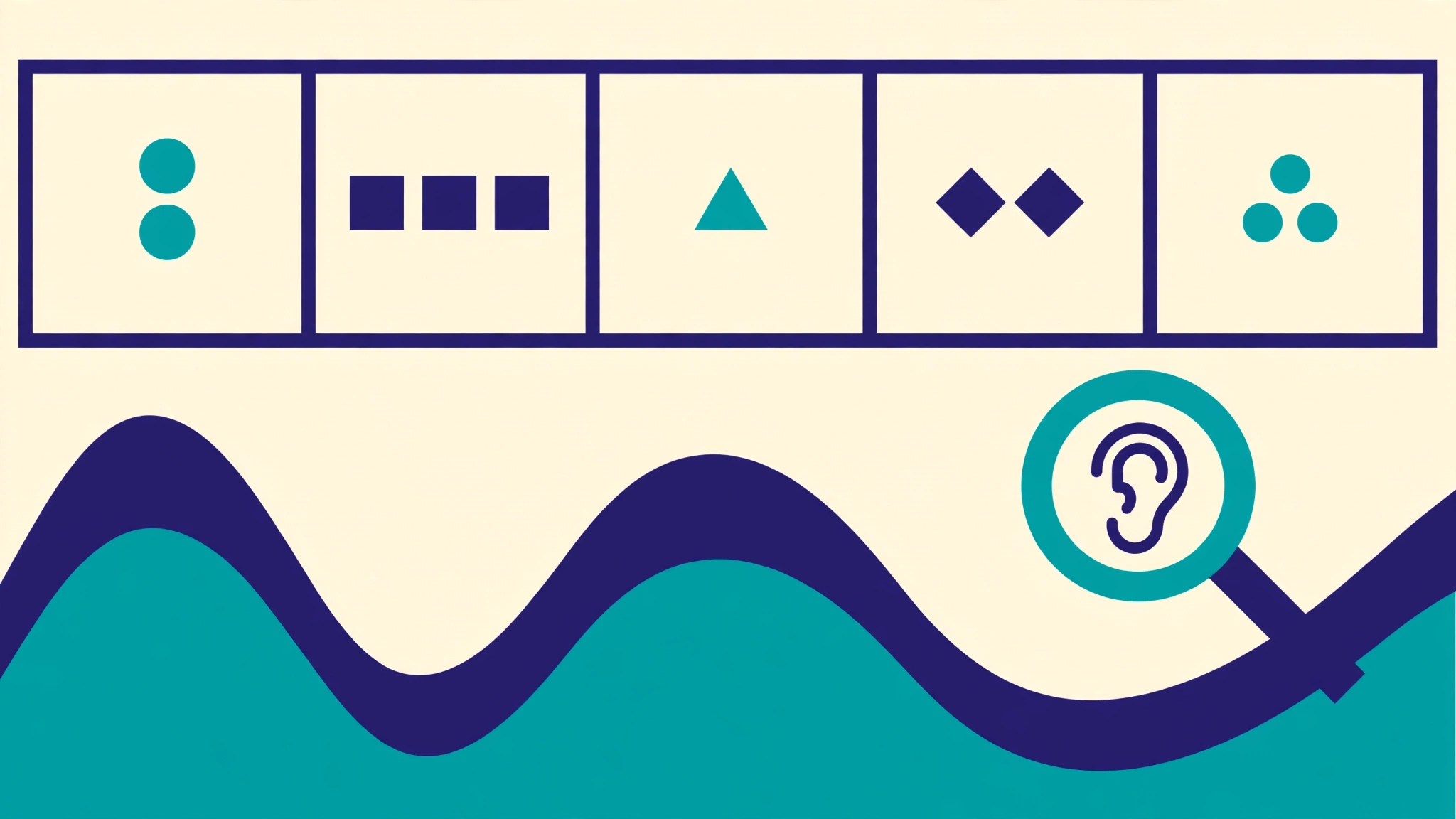
The bass is usually the simplest part to pick out, because it moves slowly and rarely plays two notes at once. That makes it the best place to start.
Listen to the first few bars and try to write down the lowest note you hear in each bar. A song will often change its bass note only when the chord changes, so if the lowest note stays the same, the chord probably stays the same too.
Keep doing this until you have the bass for the intro, verse and chorus. This is not yet the full answer, but it cuts down the choices for each chord a lot, and it gives you something solid to check later.
Step 2: Settle the root

Once the bass line is written down, the next step is to settle the root note of each chord — the note that gives the chord its name.
In most cases the bass note and the root are the same, so take the bass note you found and try playing its major and minor chords against the song. If one of them sounds right, you have the root.
Sometimes the bass plays a note that is part of the chord but not the root. This is common when the bass walks between chords. If neither major nor minor fits, try the other notes of the chord as the root, and keep whichever fits best.
Step 3: Hear major vs. minor
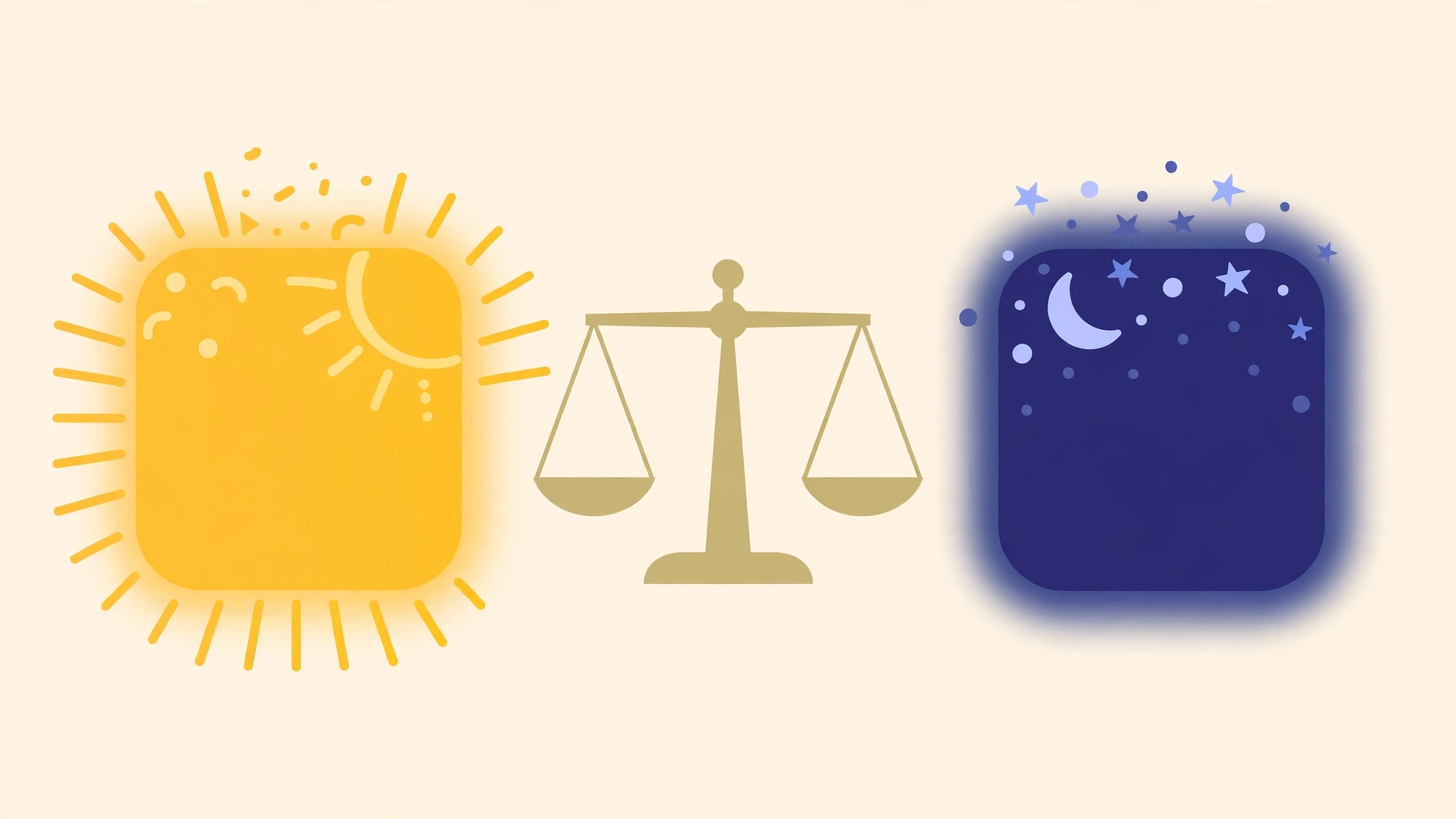
Once you know the root, you only need to decide one thing: is the chord major or minor? That decision comes from the third note of the chord.
Major chords sound bright and settled, while minor chords sound darker and softer. Play both versions of the same root and ask which feeling matches the song. In most pop and rock, that difference is clear enough to hear.
If it is hard to tell, play the two versions slowly and one after the other. Hearing them side by side makes the difference stand out. It gets easier quickly with practice.
Colour comes last: add sevenths and extensions at the end
Beginners often get stuck on whether a chord is a seventh or has added notes. Ignore that detail at first: get the basic major or minor chord right first.
Once the basic chord fits, try adding the seventh. If it sounds right, you have found a seventh chord. If it sounds muddy or wrong, leave it out — the basic chord is enough.
The same applies to other added notes. Add one at a time, and only keep it if the song sounds closer with it than without it. That way you build the sound up without losing the chord underneath.
Step 4: Compare with common progressions, then re-listen where it doesn't fit
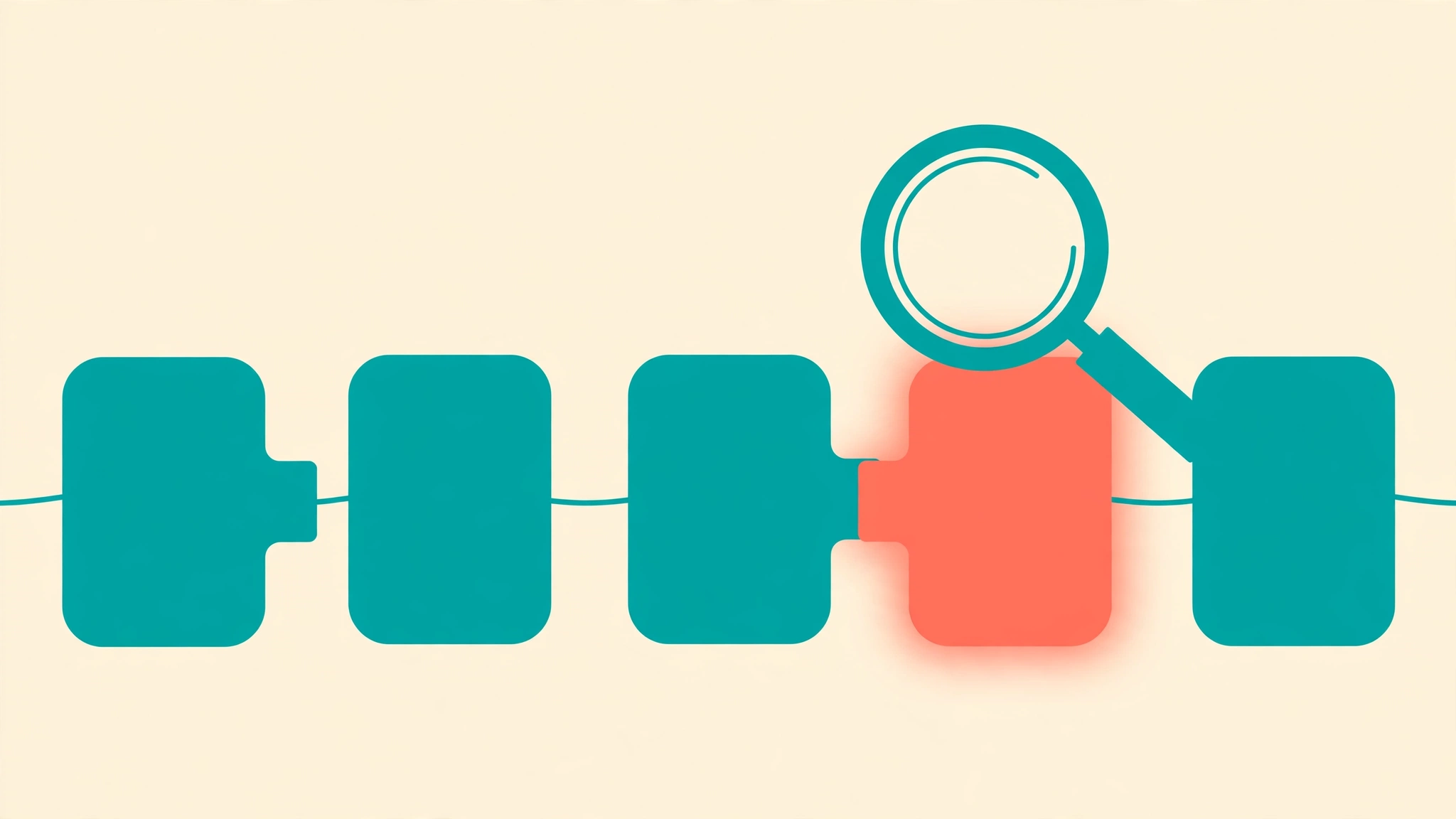
Once you have worked out the chords, compare them with progressions you already know. Most pop songs use only a few patterns, and checking yours against them often shows where something is off.
A famous example is I - V - vi - IV. Many songs follow exactly that shape, and the chord that feels least sure is often the one that makes the pattern work.
If a chord does not fit any familiar pattern, listen again to that bar only. Sometimes a chord changes in the middle of a bar, or a chord you thought was major turns out to be minor. Re-listening in short sections is how you fix those spots.
Tools that help: slow playback, looping, and key shifting

You do not need special equipment. Slowing the song to 0.75x or 0.5x and looping one bar at a time makes the bass and the chords much easier to hear.
If a song is hard to sing or play along with, try shifting the key. Many tools let you change the pitch without changing the tempo, so you can bring the song into a range that fits your voice or your instrument.
ChordTube is handy here: it shows chords, keys and BPM in sync with YouTube playback, and you can search songs by chord progression, melody or key.
How to Use ChordTube: The Free Tool That Shows Chords, Keys and BPM for YouTube Songs
Practice by checking your answers: transcribe songs you already know
The best practice is to transcribe songs you already know well. Familiar songs are easier to check, because you can tell at once when something sounds wrong.
Start with a song whose chords you can already check somewhere: a songbook, a lesson video, or the original recording. Write down your guesses first, then compare them with the answer.
When you are wrong, go back and listen to the bass note of that bar again. Most mistakes come from Step 1 or Step 2, not from Step 3 or Step 4. Finding where you went wrong is the practice that makes you faster next time.
Summary

Transcribing chords is a procedure, not a talent.
- Start with the bass, bar by bar
- Settle the root from the bass note
- Decide major or minor from the third
- Compare with common progressions, then re-listen
- Add sevenths and extensions only at the end
With these steps, chord transcribing is something you can practise — and get better at — instead of a trick only gifted ears can do.
Can't Play That Chord? Easier Substitutions and How to Use a Capo
More from Kotona in English

Mystic Kotona — Fortune Readings
Free fortune readings in English, explained without fear-based selling: BaZi (Four Pillars of Destiny), palm reading and aura color. No sign-up, results in your browser.
Try a free reading
Kotona Travel Map — Japan Guides
English guides for traveling Japan: goshuin temple stamps, station stamps and onsen etiquette, with a stamp-collection map of places to visit.
Read the Japan guides
Muse Guide & Books
Get started with Muse, the AI assistant by Meta: how invites and token rewards work, step-by-step setup, and the “Muse for Beginners” Kindle book series.
See the Muse guide
Kotona Global Engineer COMING SOON
Guides for engineers worldwide: building with Dify and AWS, and an insider guide to working in Japan’s engineering industry. In preparation.
Coming soon